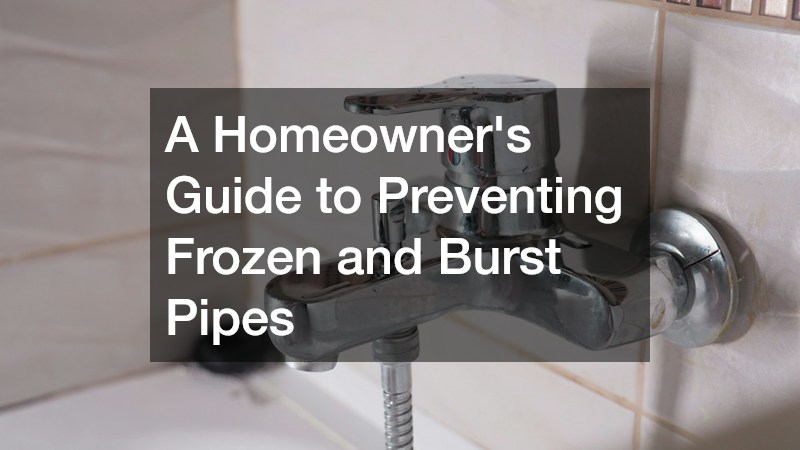
When winter temperatures plummet, homeowners face one of the most destructive cold-weather hazards: frozen and burst pipes. Water expands significantly as it transitions from a liquid to solid ice. Partnering with a professional plumbing company early in the season can help you understand these thermal dynamics before catastrophic damage occurs. Contrary to popular belief, the rupture in a pipe is rarely caused by the physical pressure of expanding ice pushing outward against the pipe walls.
Instead, as an ice blockage forms, it acts as an immovable plug inside the line, trapping water between the ice and closed faucets downstream. This causes water pressure to build to extreme levels until the pipe ruptures at its weakest point.
A burst pipe can discharge hundreds of gallons of water per hour into your home, ruining drywall, flooring, electrical wiring, and personal belongings. Taking time to understand where your plumbing is vulnerable and implementing proactive insulation measures is the single best way to shield your living space from catastrophic water damage during sub-zero cold snaps.
Identifying Vulnerable Zones in Your Home
Not all plumbing lines carry an equal risk of freezing during the winter months. The most susceptible pipes are those exposed to severe cold or located in unheated areas of your property. Outdoor spigots, swimming pool supply lines, and lawn sprinkler systems are always the first to freeze when temperatures drop below freezing. Inside the home, water lines running through unconditioned spaces—such as unheated basements, crawlspaces, attics, and garages—are at extreme risk.
Additionally, pay close attention to interior pipes running along exterior walls. Poorly insulated wall cavities allow cold outdoor air to penetrate around plumbing lines, creating hidden freezing hazards behind your kitchen or bathroom cabinets. Identifying these draft corridors early prevents minor cold spots from escalating into full-scale pipe ruptures.
Essential Autumn Preparation and Insulation Tactics
Preventing frozen pipes starts well before the first arctic freeze reaches your region. Begin outside by disconnecting and draining all outdoor garden hoses. Leaving a hose connected to an exterior spigot traps water inside the sillcock, where it can easily freeze and rupture the pipe extending into your home’s foundation. Shut off interior cut-off valves leading to outdoor faucets and open the external spigots to drain any remaining trapped water completely.
Next, insulate all accessible water lines in unheated areas using pre-slit foam pipe sleeves, fiberglass wrap, or rubber insulation tubes. Pay extra attention to elbows and junction points, ensuring the insulation is tightly fitted without gaps. For extremely exposed pipes in unheated crawlspaces or garages, consider installing thermostatically controlled heat tape or heat cables beneath the insulation sleeves. Consulting a licensed plumbing company for a pre-winter evaluation can help identify these hidden draft corridors and ensure heat cables are installed safely.
Smart Indoor Habits During Extreme Cold Snaps
When forecasted temperatures drop well below freezing, taking simple daily operational steps inside your home adds a crucial layer of defense. Allowing a slight, continuous trickle of water to run from faucets served by exposed pipes makes freezing far more difficult and relieves internal pressure if an ice blockage forms. Keep kitchen and bathroom cabinet doors open during severe cold spells to allow warm air from your home’s heating system to circulate to underlying plumbing fixtures. Maintain a consistent thermostat temperature both day and night, as lowering temperatures overnight during extreme cold increases the likelihood of hidden wall pipes freezing. If you plan to travel during winter, keep your heat on, shut off your main water valve, and drain the system by opening faucets throughout the house before leaving.
Safely Thawing a Frozen Pipe
If you turn on a faucet during cold weather and only a tiny trickle or no water comes out, you likely have a frozen pipe. Immediately check other fixtures throughout the house to pinpoint whether the freeze is localized or widespread. Leave the affected faucet open so water can flow out as the ice melts, relieving system pressure.
Locate the frozen section by checking exposed pipes in unheated spaces or along exterior walls for frost accumulation or bulging sides. You can safely thaw an accessible pipe using a portable hairdryer, an electric heating pad wrapped around the pipe, or space heaters positioned nearby. Never use an open flame torch or propane heater to thaw a pipe, as extreme heat can scorch wood framing, crack metal fittings, or boil trapped water instantly, causing an explosive rupture.
What to Do If a Pipe Bursts
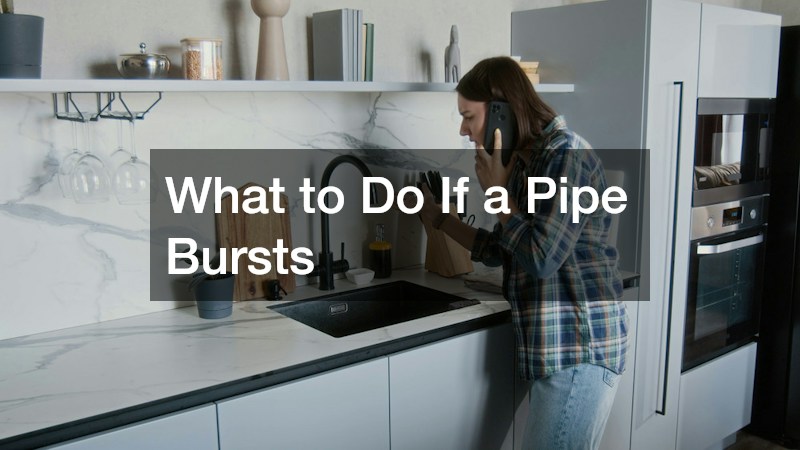
If a pipe ruptures despite your best efforts, fast action minimizes structural damage. Immediately turn off your home’s main water shut-off valve to stop the incoming flow. Next, open all cold and hot water faucets to drain the remaining water out of the system. Once the water is controlled, turn off the electricity to affected rooms if water is pooling near outlets, light fixtures, or electrical appliances.
After taking emergency containment steps, contact an experienced plumbing company to repair the damaged pipe section, inspect the rest of your system for structural weaknesses, and safely restore water flow. Experienced technicians can also replace compromised metal lines with flexible piping, which expands slightly under pressure and is far less prone to bursting during future freeze events. Relying on an established plumbing company ensures your entire system is properly winterized, engineered, and safeguarded against winter weather hazards.